While still being at an early stage of our 5-year journey, the HYDROSENSING project is moving forward with strong momentum. Over the past 18 months, we have advanced our scientific understanding of how plants perceive and respond to water, while also contributing to broader discussions about foundational plant science, agriculture, and research policies in general.
The scientific progress of the consortium has been steady and productive. More than 40 researchers now contribute to HYDROSENSING, meeting almost every week to exchange results and coordinate experiments. This effort has already produced 15 scientific papers, with 7 additional manuscripts currently in preparation. Much of this work focuses on identifying the molecular components and mechanisms that allow plants to detect water availability and activate drought responses.
To enable these discoveries, the team has generated 10 multi-target CRISPR libraries that allow testing several genes simultaneously, and around 6 protein structures are currently being analyzed. These tools are now being applied in our two crop models, tomato and rice. Our researchers are improving gene-editing workflows and establishing phenotyping systems to study how newly edited plants behave under different water conditions. These advances lay the groundwork for the next steps, when candidate genes will be tested directly for their function in water sensing and their structures will be examined in greater depth. These activities are complemented by functional analyses of candidate genes and the development of novel reporters.
HYDROSENSING is also committed to engaging with the broader plant science community and society as a whole. Understanding the biology of water sensing is crucial for developing crops that can withstand increasing drought stress. As agriculture faces the challenges of climate change, our findings provide valuable knowledge for breeders, farmers and policymakers who seek sustainable strategies for food security. By communicating our results openly, including through this blog, we aim to make complex plant science accessible to students, teachers and anyone interested in how plant science can support a more resilient future.
As we move into the next phase of the project, we will continue connecting scientific progress with societal relevance. Our goals include deepening functional studies in Arabidopsis, tomato and rice, comparing water-sensing mechanisms across species and sharing insights that can inform long-term agricultural planning. We also plan to increase outreach and communication activities to strengthen exchanges with the broader community.
HYDROSENSING in numbers
- 18 months of research
- 44 team members
- Over 40 online meetings open to the whole team
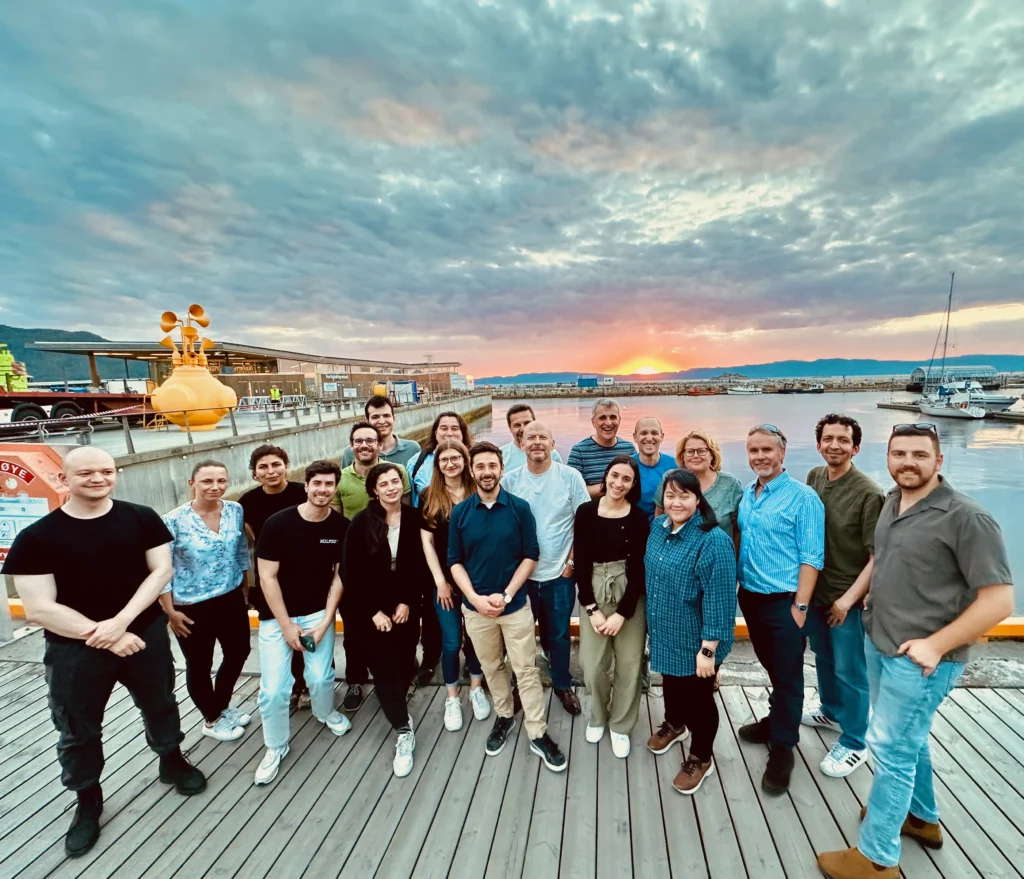
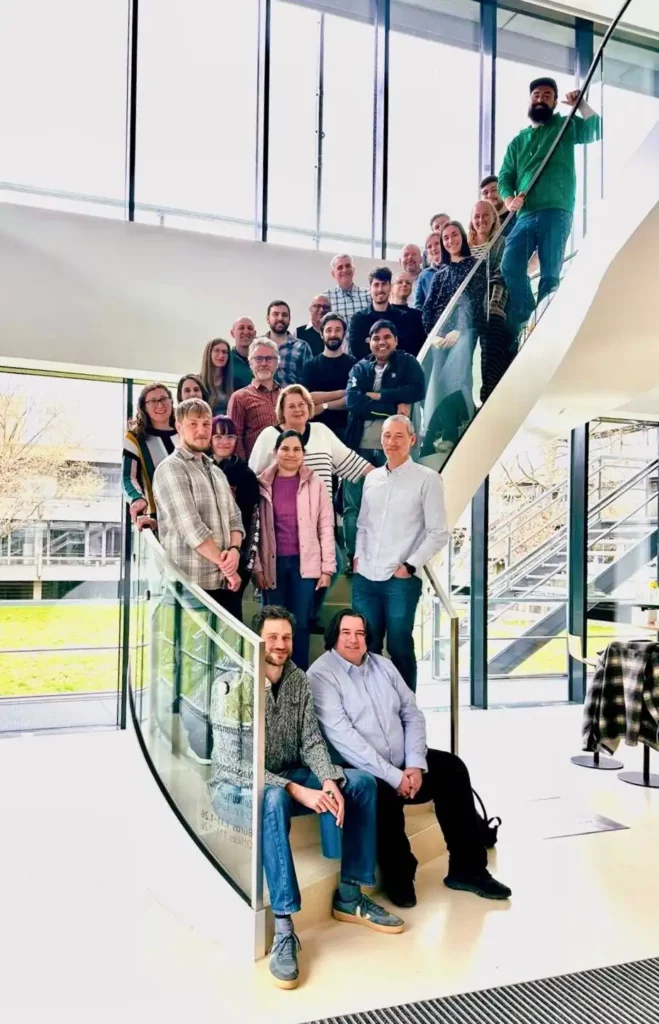
- Two all-hands workshops in Norway and Germany
- 15 scientific articles published
- including 1 in Nature and 2 in Science
- including 3 policy-related papers in Nature Plants, Nature Photonics and The Plant Cell
- More than 7 manuscripts in preparation
- 10 multi-target CRISPR libraries developed
- 2 crop models studied: tomato and rice